




$2.40
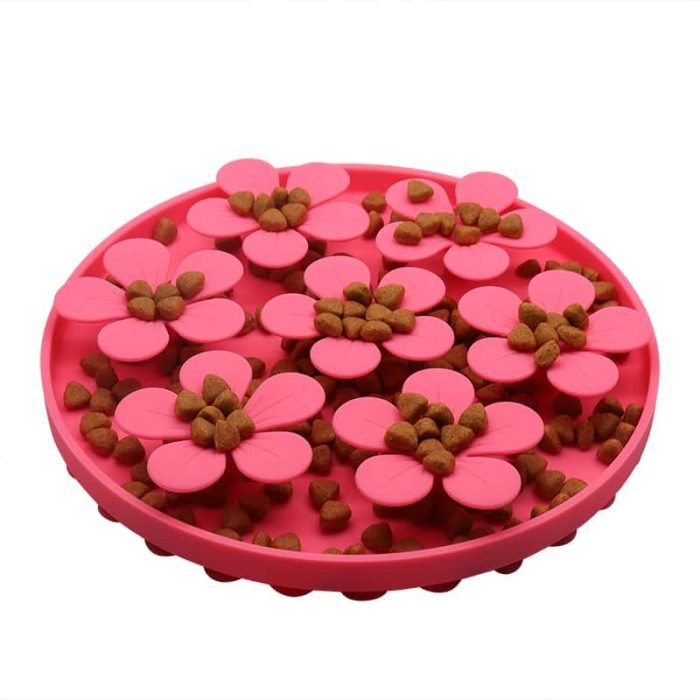
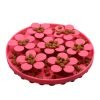
A slow feeder for dogs serves several important purposes, and using one can be beneficial for your pet’s health and well-being. Here are some reasons why a dog may benefit from a slow feeder:
- Prevents Bloating: Rapid eating, especially in larger dog breeds, can lead to a condition known as bloat or gastric torsion. This is a serious and potentially life-threatening condition where the stomach fills with gas and twists on itself. Slow feeders can help prevent dogs from eating too quickly, reducing the risk of bloating.
- Aids Digestion: Dogs that eat too quickly may not chew their food properly, leading to poor digestion. A slow feeder encourages dogs to chew their food thoroughly, promoting better digestion and nutrient absorption.
- Weight Management: For dogs prone to overeating, a slow feeder can be a useful tool for weight management. By slowing down their eating pace, dogs may feel full with less food, helping to prevent excessive calorie intake.
- Mental Stimulation: Using a slow feeder turns mealtime into a mentally stimulating activity. Dogs have to work a bit to access their food, which engages their brains and provides enrichment. This is especially beneficial for dogs that might otherwise get bored easily.
- Reduces Choking Hazard: Dogs that gulp down their food are more prone to choking. A slow feeder encourages dogs to take smaller bites and chew their food, reducing the risk of choking.
- Promotes Dental Health: Chewing is a natural behavior that promotes dental health in dogs. A slow feeder encourages dogs to chew, helping to keep their teeth clean and healthy.
- Eases Digestive Discomfort: Dogs with sensitive stomachs or digestive issues may benefit from a slow feeder. Slowing down the eating process can reduce the likelihood of stomach upset or regurgitation.
- Prevents Food Aggression: In multi-pet households, slow feeders can be useful to prevent food aggression. Each pet can have its own slow feeder, reducing the competition for food and potential conflicts.
When introducing a slow feeder, it’s essential to monitor your dog’s reaction and ensure they adapt well to the new feeding method. Always choose a slow feeder appropriate for your dog’s size and breed, and consult with your veterinarian if you have specific concerns about your dog’s eating habits or health.